How to prepare your herbicide machine before the season starts

The preparation of the herbicide machine directly influences the quality of the work throughout the season. This guide provides a clear and practical overview of the steps required before the first application, as well as the essential checks after the storage period.

You’ll go through a structured, step-by-step process that helps ensure your equipment is ready for use from the first step in the field. The goal is a stable, safe and predictable setup so that you can start work as soon as conditions are favourable.

Why herbicide machine preparation is important

A correct pre-season check brings essential benefits:

  • prevents downtime

  • Improves application accuracy

  • reduces the consumption and waste of chemicals

  • extends the life of the equipment

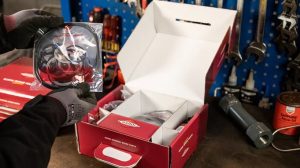
In addition, maintenance planning and the use of readiness or upgrade kits contribute to long-term reliable operation.

Step-by-Step Guide to Herbicide Machine Preparation

Important: All tests should be performed using clean water.

1. Remove antifreeze from the system

If the herbicide machine has been protected with antifreeze during the winter:

  • Completely empty the system

  • Flush the tank, hoses, pump and ramp

  • Remove any residue or deposits

2. Inspect the pump

  • Check for any leaks or unusual noises

  • Control the pressure

  • Lubricate the components

  • Check the diaphragms and valves

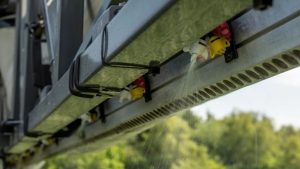
3.Check the filters and nozzles

  • Clean all filters

  • Inspect nozzle wear

  • Ensure a uniform spray pattern

  • Replace damaged components

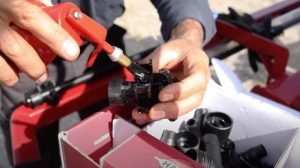
4. Inspect hoses and gaskets

  • Check for cracks or signs of aging

  • Control connections

  • Replace worn elements

5. Test valves and control systems

  • Check the operation of the valves

  • Control the pressure regulator

  • Test the flow meter

6. Calibrate the herbicide machine

  • Check the pressure

  • Measure nozzle flow rate

  • Adjust application rate (l/ha)

7. Inspect the ramp and mechanical components

  • Check for cracks in the structure

  • Control folding and stability

  • Lubricate Moving Parts
  • Test suspension and ramp control

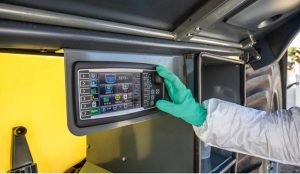
8. Check the electronic components

  • Test the controller

  • check GPS sensors and systems

  • Inspect cables and connectors

9. Take the final test

  • Perform a full clean water test

  • Check for leaks

  • Confirm the operation of all systems

Ready for the season

A full pre-season inspection ensures:

  • Consistent performance

  • Precise application

  • Safe operation

The time invested in preparation translates into fewer stops and better results in the field.

Need help?

If you have any questions:

  • refer to the “Maintenance” section of the machine manual

  • contact NHR Agropartners for expert service

For spare parts, nozzles or technical support, it is recommended to act before the start of the season.